
Home
Knowledge Center
How to Interpret a Rug’s Design
By learning the meanings of Persian rug patterns, you will be able to “read a rug” and understand what the weaver tells us.
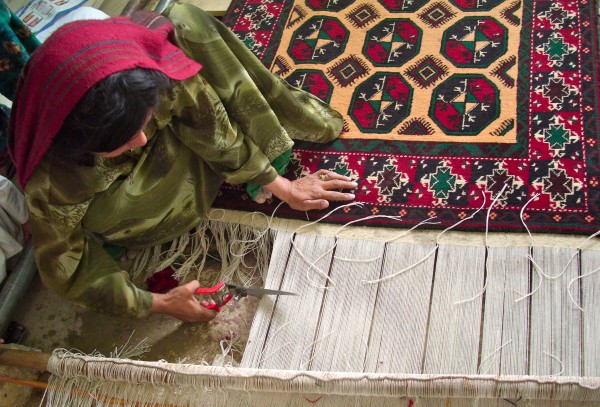
The names of Persian rug patterns are derived from the city, village, or tribe where particular patterns were first woven or traded. Rug design techniques made thousands of years ago have been handed down from one generation to the next. Few written records exist of the design process and no two hand-knotted rugs are the same.
People from various regions – tribes, villages, cities – use different designs and materials. Wool is by far the most common material, because those rugs are the most durable and marketable. The wool is dyed, spun and woven, and the finished rug is taken from the tribe to the bazaar in the cities, where it is sold throughout the world.
Various religions are practiced throughout the tribes, and Persian rug makers believe that the rugs are made with a sense that God is watching them. Rugs also mean income, and that means survival to many of the people involved in rug making.
What determines the value of a rug?
Hand-made rugs are more valuable than machine-made rugs. The back of the rug tells you which you have: a hand-made rug shows the same vibrant design on the back as on the front.
- Knot Count: the more knots per square inch, the more valuable the rug.
- Design: the more intricate the design, the more valuable the rug.
- Materials: silk is the most expensive material and requires a very high knot count (1,000 per square inch or more). Because of the materials and the time to construct them – often a year or a person’s lifetime – silk rugs are often the most expensive on the market. Wool is the most common material in Persian rugs, and Persian wool is arguably the best in the world: lustrous and superior.
- Age: antique rugs are often more expensive than newer rugs, but that is because of market demand and not because they are actually better.
If you want to buy a valuable Persian rug, first of all, it must be handmade. Machine made rugs lack originality, durability, charm and investment value. While a handmade carpet takes at least 8 months to years to make, a machine rug takes minutes.
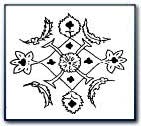
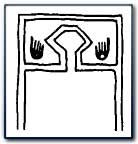
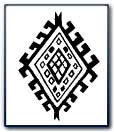
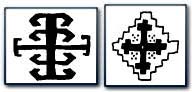
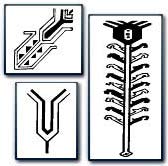
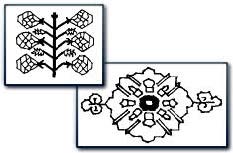
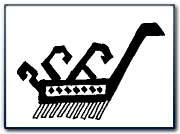
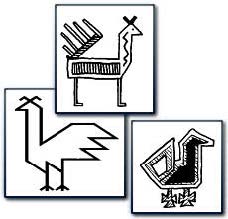
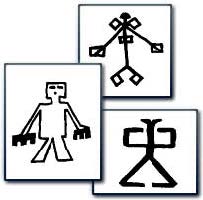
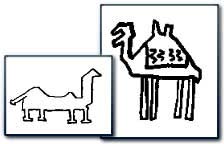
Symbols and Motifs of Oriental Rugs
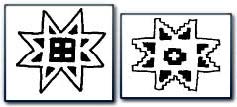
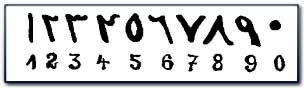
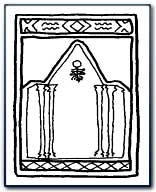
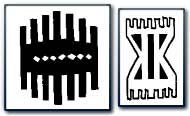
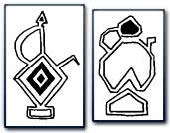
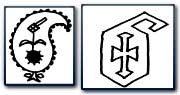
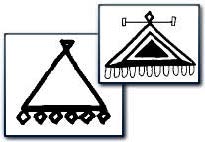
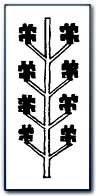
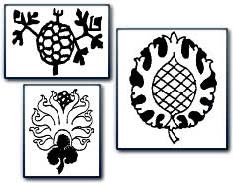
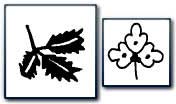
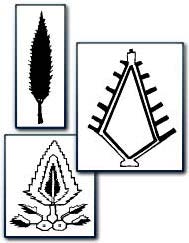
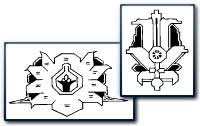
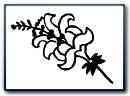
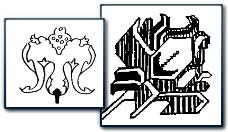
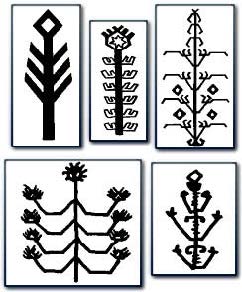
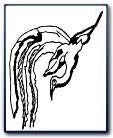
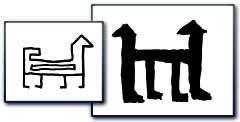
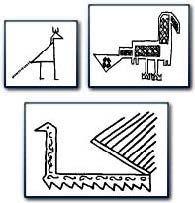
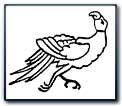
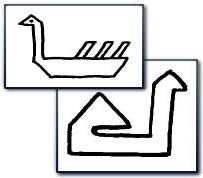
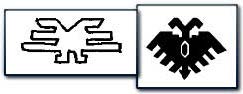
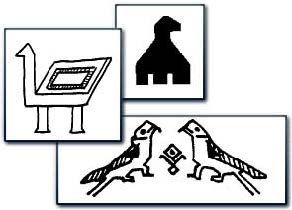
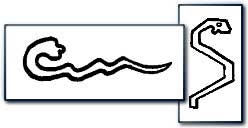
Curious what your rug is saying?
Our Rug Master can identify your rug’s origin, age and value with a photo-based valuation.