Home
Knowledge Center
How Persian Wool Rugs Are Made
From the sheep to your floor: area rug cleaning specialists explain the labor of love behind a fine hand-knotted Persian wool rug.
Hand-made rugs have a built-in value that ranks them above machine-made products. Hand-made labor is more costly and carries an expectation of care and quality. An endless series of choices and decisions, minor twists and turns, collectively give the piece its personality and presence – something the finest machine made carpet lacks.
The materials that go into a rug are as important as the design and workmanship: they shape its color, texture, feel, and above all its durability.
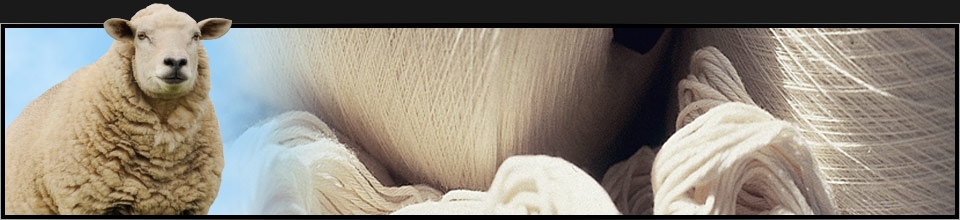
Wool is the most common material used in hand-knotted rugs. It comes primarily from sheep, although goat hair can also be used. Some wool is soft and lustrous, with a silky sheen; some is dull and un-reflective. Lustrous wools are generally lanolin-rich, and lanolin-rich wool is far healthier and more durable than dry wool.
One of the most important choices weavers make is the quality of wool they use. Fine wool comes from the neck and belly of the sheep, like Angora, or, in the case of Indian Pashmina, from the downy layer close to the skin. Wool may be used for the foundation of the rug as well as for the pile.
Techniques & Construction of hand-knotted rugs
The processing of the raw materials and the way rugs are woven have an enormous effect on their quality, durability and value.
- Step 1 – Selecting the Best Wool for Shearing. Well before shearing, the best sheep are isolated from the flock for better foddering; wool of poorly fed sheep lacks fat and sheen and is always dull. Often before shearing, sheep are passed through a river several times to clean the wool. Shearing doesn’t hurt a sheep – it’s just like getting a haircut. A good shearer typically removes a fleece in 15 minutes. For a medium sized rug the wool from a few sheep is needed, and the wool regrows within 12–16 weeks; sheep are usually sheared twice a year.
- Step 2 – Wool Dyeing Process. The wool or silk is treated and dyed before knotting. Natural dyes often give a more muted, natural palette; chrome (chemical) dyes can be brighter and more vivid. The most common vegetable dyes are indigo (dark navy blue), madder (dark rusty-red) and larkspur (muted gold). Expensive saffron flower is used to create rare shades of yellow.
- Step 3 – Wool Rug Design Process. Before knotting, the rug is designed by hand by a skilled artist. City rugs are produced from detailed design plates or cartoons – a life-sized paint by numbers showing which color of wool to use for each knot. Many country and village rugs are created from the imagination of the weaver, so tribal rugs have more “errors” – an indication of authenticity that some collectors prefer.
- Step 4 – Rug Weaving Process. Weaving starts at the bottom of the loom with the flat-woven kilim. The weaver forms each knot on two warps following the design, then cuts the surplus wool with a hooked knife. A carpet of about 5 by 8 feet can have up to 1 million knots and represents six to nine months of weaving for two weavers – not including shearing, washing, carding, spinning and dyeing. A weaver can tie about 5000 knots in an uninterrupted eight-hour day.
- Step 5 – Shaving and Washing of Wool Rug. After weaving, the warp is cut to remove the rug from the loom. A shearer shaves the wool to the chosen pile length, then the rug is washed to remove dirt and loose fibers and left in the sun to dry naturally.
- Step 6 – Finishing and Fringing. Finally the rug is placed on a ‘blocking’ device to ensure no shrinkage occurred during the wash, and last-minute quality checks are made. The rug is then packaged and shipped to showrooms or collectors around the world.
Ready to give your rug the care it deserves?
Tell us about your rugs and we’ll get back to you with a quote. Free local pick-up and delivery for most rugs.